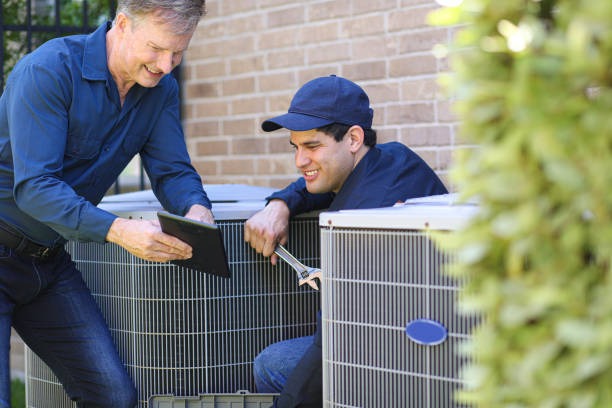
An air conditioning (AC) compressor is a crucial component of an HVAC system, responsible for circulating refrigerant and maintaining the system’s pressure. When it fails, the entire cooling process can be disrupted, leading to discomfort and potential damage to other parts of the system. Recognizing the signs of AC compressor failure early on can prevent costly repairs or replacements.
One common sign of a failing AC compressor is reduced cooling efficiency. If your AC unit is blowing warm air instead of cold, it could indicate that the compressor is struggling to pump refrigerant through the system effectively. Another symptom is unusual noises coming from read the full report unit. A failing compressor may produce grinding, clanking, or rattling sounds due to internal mechanical issues. Additionally, frequent tripping of circuit breakers when the AC unit starts up might suggest electrical problems within the compressor.
There are several causes behind AC compressor failures. One major cause is inadequate lubrication, which can lead to increased friction and overheating of internal components. This often results from low levels of refrigerant or using incorrect types during maintenance or repairs. Contaminants such as dirt or moisture entering the system can also cause blockages and damage to moving parts within the compressor.
Electrical issues are another significant contributor to compressor failure. Faulty wiring or damaged capacitors can lead to power surges that stress and eventually burn out electrical components in the unit. Overheating due to insufficient ventilation around the outdoor unit may further exacerbate these electrical problems.
Addressing these issues promptly with effective solutions can extend your AC’s lifespan significantly.