
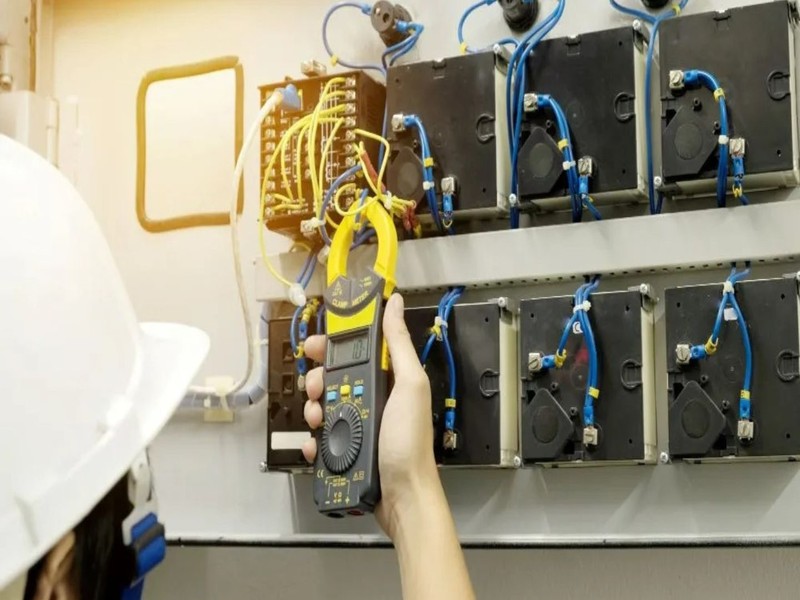
Modern commercial electricians rely heavily on advanced technology to enhance efficiency, safety, and precision in their work. The evolution of electrical systems in commercial buildings has necessitated the adoption of sophisticated tools and equipment that allow electricians to manage complex installations and maintenance tasks more effectively than ever before. One such technological advancement is the use of digital multimeters with enhanced features. Unlike traditional meters, these devices provide precise measurements of voltage, current, resistance, and continuity while offering data logging capabilities for detailed analysis over time. This helps electricians diagnose issues quickly and accurately without guesswork.
Another significant innovation is thermal imaging cameras. These handheld devices enable electricians to detect hot spots or overheating components within electrical panels or wiring systems without direct contact. By visualizing temperature variations through infrared technology, potential problems like overloaded circuits or faulty connections can be identified early, preventing costly failures or fire hazards. Additionally, many modern thermal cameras connect wirelessly to smartphones or tablets for real-time monitoring and reporting.
Smart circuit breakers represent a leap forward electrical contractors in prosper, tx safety management. These breakers integrate microprocessors capable of monitoring current flow continuously and communicating with building management systems via wireless protocols such as Zigbee or Wi-Fi. They not only trip during overloads but also provide detailed diagnostic information remotely accessible by technicians. This connectivity allows prompt responses to electrical faults while facilitating energy usage tracking for better resource management.
Commercial electricians also utilize Building Information Modeling (BIM) software tailored for electrical design and installation planning. BIM enables comprehensive visualization of complex wiring layouts within a three-dimensional model of the entire building infrastructure. It improves collaboration between architects, engineers, and contractors by reducing errors during construction phases and streamlining modifications when necessary.
Furthermore, advancements in power quality analyzers have empowered electricians to measure harmonics, voltage sags, swells, transients, and other disturbances affecting sensitive electronic equipment commonly found in commercial settings today. Accurate assessment ensures compliance with industry standards while optimizing system reliability.
Wireless testing instruments have become invaluable as well since they reduce the need for cumbersome cables during diagnostics on energized systems where safety is paramount. Devices like clamp meters paired with Bluetooth connectivity offer convenience without compromising measurement accuracy.
In summary, modern commercial electricians employ an array of cutting-edge technologies ranging from smart testing tools to integrated software platforms that collectively improve performance outcomes across installation projects and ongoing maintenance operations alike. These innovations not only elevate professional capabilities but also contribute significantly toward safer workplaces and smarter energy consumption practices within contemporary commercial environments.