Attic insulation is a crucial component in creating energy-efficient homes, especially in regions like Houston where temperatures can fluctuate significantly. Proper attic insulation not only enhances comfort but also reduces energy bills by minimizing the need for excessive heating and cooling. This guide provides an overview of the essential steps involved in achieving effective attic insulation.
The first step in insulating your attic is to assess its current state. Conducting an inspection helps identify existing insulation materials and any potential issues such as air leaks, moisture problems, or pest infestations that could compromise effectiveness. It’s advisable to hire a professional to perform this assessment as they have the expertise to spot subtle issues that might be overlooked by untrained eyes.
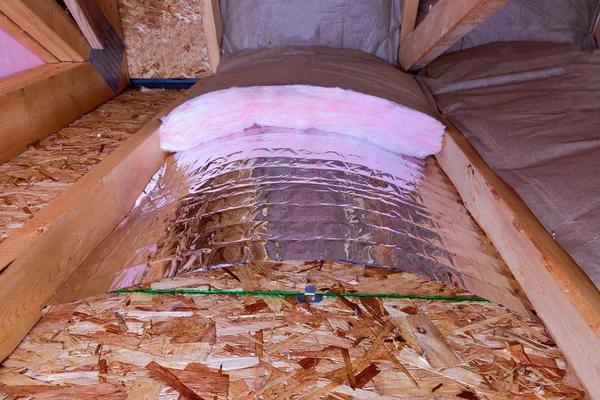
Once you’ve assessed your attic, the next step involves choosing the right type of insulation material. The most common types include fiberglass batts, blown-in cellulose, spray foam insulation Houston boards. Each type has its advantages; for instance, fiberglass is cost-effective and easy to install while spray foam offers superior air sealing capabilities. Your choice should depend on factors such as budget, climate conditions specific to Houston, and whether you plan on doing it yourself or hiring professionals.
Proper installation is critical for maximizing efficiency. If you opt for DIY installation with materials like fiberglass batts or blown-in cellulose, ensure all gaps are filled adequately without compressing the material as this can reduce its insulating properties. For more complex installations involving spray foam or if your attic has hard-to-reach areas requiring meticulous attention, consider hiring experienced contractors who specialize in attic insulation.
Ventilation plays a vital role alongside insulation by preventing heat buildup during hot Texas summers and reducing moisture accumulation which could lead to mold growth or structural damage over time. Make sure your attic has sufficient ventilation through soffit vents at eaves combined with ridge vents at peaks allowing warm air escape naturally.
Sealing air leaks complements both ventilation and insulation efforts effectively enhancing overall energy efficiency within homes located throughout Houston’s varied climatic zones from humid subtropical environments near coastal areas inland towards drier terrains northwestwardly situated away from Gulf influences altogether! Common leakage points include around ductwork plumbing penetrations electrical wiring junctions recessed lighting fixtures access hatches etcetera – addressing these thoroughly ensures minimal thermal exchange between interior spaces exterior surroundings thus optimizing HVAC system performance year-round regardless seasonal weather fluctuations encountered locally!
Finally maintaining optimal levels requires periodic checks every few years replacing damaged sections upgrading outdated systems adapting newer technologies become available market ensuring continued efficient operation long-term investments sustainable living solutions benefiting environment homeowners alike!