Water damage in residential properties can cause significant distress and disruption to homeowners. Whether the damage results from a burst pipe, flooding, or a leaking appliance, the restoration process is crucial to return the home to its original condition, ensure safety, and prevent long-term problems such as mold growth and structural deterioration. Knowing the important stages of residential water damage restoration can help homeowners better understand what to expect and how professionals tackle the problem efficiently.
The restoration process begins with a thorough assessment of the affected areas. Professionals inspect the extent of water intrusion, the source of the problem, and the type of water involved—clean, gray, or black water. This step learn the details is critical because it determines the scope of work needed and the appropriate safety measures. Detailed inspection may include moisture detection tools and infrared cameras to identify hidden pockets of water or dampness within walls, floors, and ceilings.
Once the assessment is complete, the next stage focuses on extracting standing water and reducing moisture levels. Using industrial-grade pumps and vacuums, the restoration team removes water quickly to minimize damage. Prompt water extraction is essential to prevent further absorption into building materials and to reduce the risk of mold growth. This stage often requires the use of specialized equipment tailored to the specific conditions of the property.
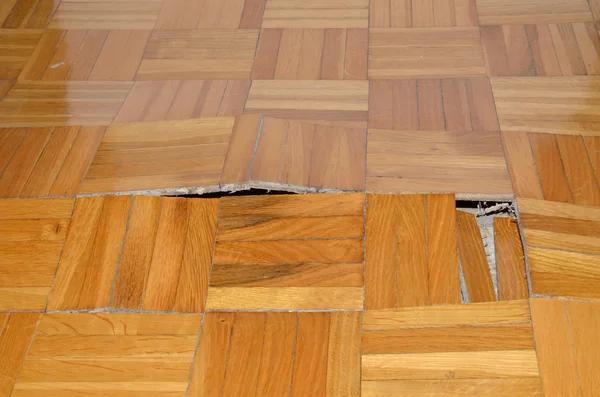
After removing the bulk of the water, the affected areas must be thoroughly dried. This involves the strategic placement of air movers and dehumidifiers to speed up evaporation and reduce humidity levels in the home. Proper drying is vital to avoid warping, swelling, and deterioration of wood, drywall, and other materials. Continuous monitoring of moisture levels ensures that drying is complete before moving to the next phase.
Water damage can introduce contaminants, so cleaning and sanitizing the property are necessary steps. Restoration professionals clean surfaces and belongings affected by water, removing dirt, debris, and potential pathogens. Antimicrobial treatments may be applied to prevent mold and bacteria growth. This stage also involves deodorizing to eliminate any unpleasant odors caused by water intrusion.
The final stage of residential water damage restoration is repairing and restoring the property to its pre-loss condition. This may include replacing drywall, flooring, insulation, and repainting walls. The extent of repairs depends on the severity of the damage. Skilled contractors ensure all repairs meet local building codes and standards, restoring both the functionality and aesthetic appeal of the home.
Understanding these stages helps homeowners appreciate the complexity of water damage restoration and highlights the importance of professional intervention. Timely response and thorough restoration can save significant costs and protect the health and safety of residents.