To step onto Lanzarote is to enter a world where the boundary between the natural landscape and the human imagination has been deliberately erased. Unlike the more traditional holiday aesthetics of its neighbouring islands, Lanzarote offers a stark, lunar beauty that was transformed into a living gallery by the visionary artist and architect César Manrique. For the British traveller, this volcanic outpost is a profound study in harmony, where the raw, black earth of the Timanfaya peaks and the white-washed simplicity of the villages exist in a state of curated, artistic equilibrium.
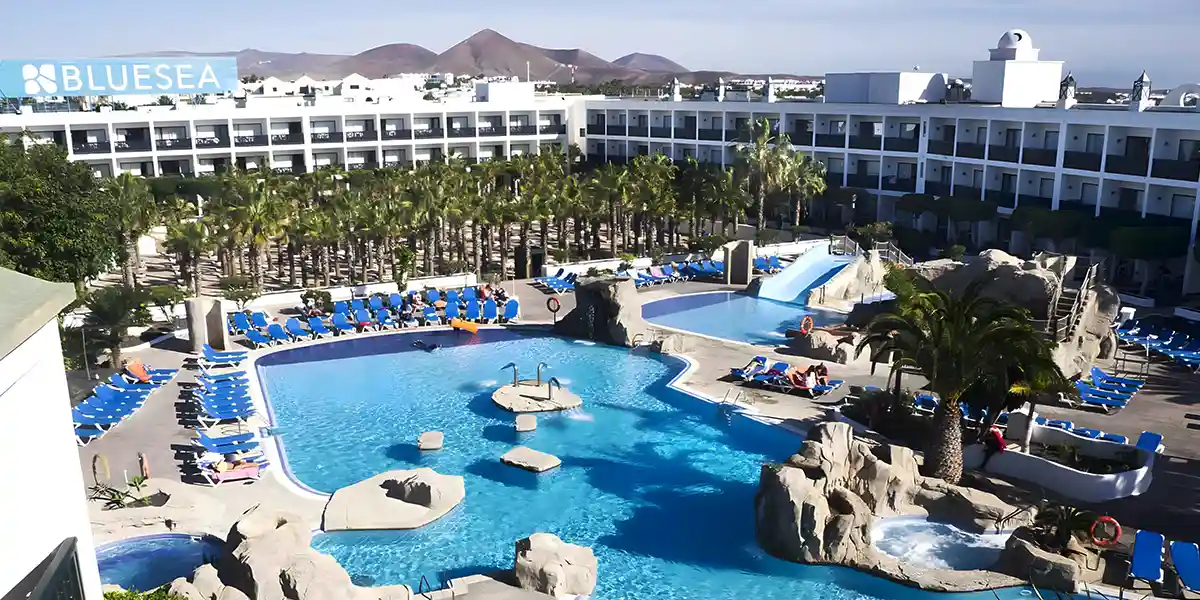
Planning a journey to this UNESCO Biosphere Reserve often begins with a search for cheap holidays to Lanzarote to experience its unique terrain without the high-end price tag. While the convenience of all inclusive holidays provides a perfect, stress-free anchor, the true essence of the island is found in the movement between its architectural landmarks. Choosing a coastal resort satisfies the need for sunshine and Atlantic breezes, but the most memorable moments occur when you head into the “Malpaís” (badlands) to see how Manrique’s “art-nature” philosophy has shaped everything from the round-abouts to the grandest cultural centres.
Navigating the logistics of this volcanic landscape requires an itinerary that respects the island’s unique scale and vision with all inclusive holidays. The route from Jameos del Agua to the fire mountains of Timanfaya unfolds most naturally when the focus stays on the landscape rather than the movement, with Travelodeal appearing simply as part of the wider travel context. As you pass through the La Geria wine region, where vines grow in individual craters of black ash, the pressure of the day begins to ebb away, replaced by a deeper connection to a landscape that feels both naturally sculpted and thoughtfully designed.
The Architecture of the Earth: Jameos del Agua
The most striking example of art and nature’s coexistence is the Jameos del Agua. Built within a collapsed volcanic tunnel, this site is part garden, part concert hall, and part subterranean lagoon. Manrique’s design emphasizes the natural texture of the basalt rock, using it to frame lush greenery and a pool of impossible blue. It is a space that teaches the traveler to look “down and in” rather than just out at the horizon, proving that the most dramatic beauty can be found in the very bones of the island.
The Fire Mountains: Timanfaya National Park
In Timanfaya, nature remains the dominant artist. The vast fields of jagged, black lava and the rust-coloured volcanic cones create a landscape that feels almost prehistoric. Here, the “art” is in the restraint Manrique ensured that the development of the park was minimal, allowing the raw power of the earth to speak for itself. The El Diablo restaurant, with its floor-to-ceiling glass and its grill fuelled by geothermal heat, is a masterpiece of integration, allowing you to dine in the heart of a dormant volcano without disturbing its solemnity.
The White-Washed Aesthetic: Teguise and Haría
Lanzarote’s identity is also defined by its strict architectural code: low-slung, white buildings with green or blue shutters. This aesthetic, championed by Manrique to prevent the island from becoming a concrete jungle, creates a visual calm that allows the natural colors of the island the deep blue of the sea and the dark grey of the sand to shine. Walking through the historic streets of Teguise or the “Valley of a Thousand Palms” in Haría, you see how this human design provides a soft, clean counterpoint to the rugged volcanic terrain.
The Liquid Art: The Vineyards of La Geria
Art and nature even coexist in the island’s agriculture. In the La Geria region, farmers have adapted to the lack of rainfall by planting vines in deep pits (hoyos) protected by semicircular stone walls. These thousands of dark craters create a geometric, almost alien patterns across the landscape. This is “living art,” a functional and beautiful adaptation to a harsh environment that produces some of the most unique Malvasia wines in the world. It serves as a reminder that on Lanzarote, survival and beauty are one and the same.
Reflection on the Volcanic Horizon
Lanzarote serves as a reminder that we don’t have to conquer nature to inhabit it; we can collaborate with it. It is an island that teaches you to find beauty in the barren and order in the chaos. By the time you reach the Mirador del Río, with its panoramic views over the neighboring island of La Graciosa, you realize that Lanzarote hasn’t just shown you its scenery; it has shared a new way of seeing. The horizon remains wide and inviting, promising that whenever you seek a landscape that feeds both the eyes and the soul, the black and white masterpiece of the Canaries is waiting to welcome you back.