Short cycling is a common issue faced by homeowners with HVAC systems, where the system frequently turns on and off in short intervals rather than completing a full heating or cooling cycle. This not only causes discomfort but also leads to increased energy bills and wear and tear on the equipment. Understanding how HVAC contractors diagnose this problem can help homeowners address it effectively.
When an HVAC contractor begins diagnosing short cycling, they start by gathering information from the homeowner about when the issue occurs, how long it has been happening, and any changes made to the system recently. This initial conversation provides valuable context that guides their inspection process.
The next step involves checking the thermostat settings. Contractors ensure that the thermostat is functioning correctly and is set at an appropriate temperature. Sometimes, simple issues like incorrect settings or a malfunctioning thermostat can cause short cycling.
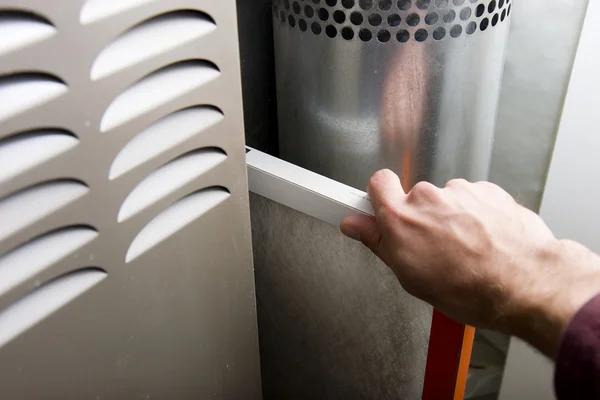
After verifying the thermostat, contractors inspect air filters for dirt or blockages. A clogged filter restricts airflow, causing the system to overheat or shut down prematurely as a protective measure. Regularly replacing air filters is crucial in preventing such problems.
Contractors then examine refrigerant levels in air conditioning units since low refrigerant can lead to overheating of compressors, triggering read further short cycles. They use specialized tools to measure pressure levels within the unit and add refrigerant if necessary while also checking for leaks that may have caused depletion.
Another critical area of inspection is electrical components within both heating and cooling systems. Loose connections or faulty wiring can disrupt power supply intermittently leading to frequent starts-stops of machinery which results not just inefficient operation but potential hazards too; hence ensuring all electrical parts are secure becomes essential part diagnosis process itself!